What UGC-Style Ads is
In a feed full of polished ads, the one that looks like a friend's post gets watched. People scroll past anything that looks produced; they stop for a phone photo of someone holding the thing and talking about it. Getting those from real customers means finding them, sending product, waiting, and asking permission to use it.
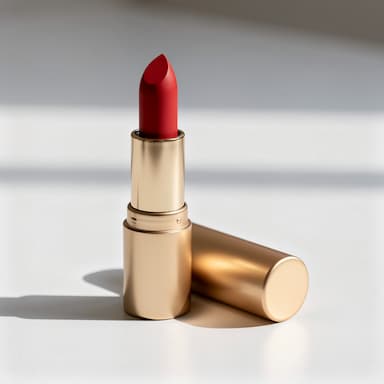
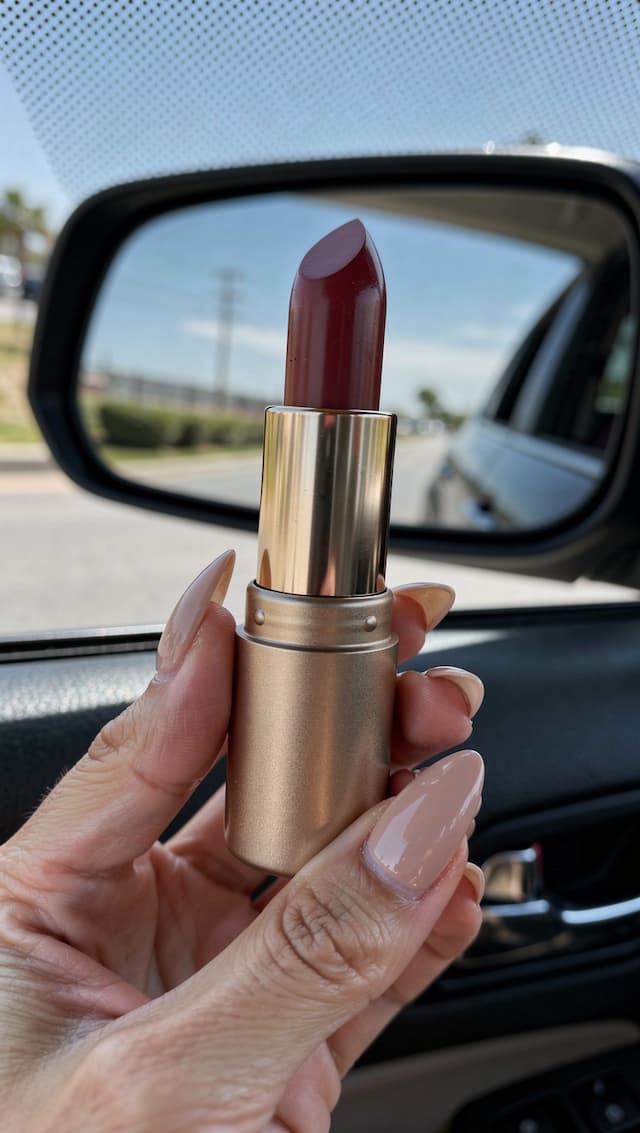
UGC-Style Ads makes that photo from your product shot: the phone camera, the ordinary room or car, the person caught mid-sentence. 10 formats creators really post, 9 places and 7 ways of holding the phone. The people are generated, not real customers.
Good for
- The first frame of a TikTok, Reels or Shorts ad
- Testing hooks before paying a creator
- Offers and prices set in the style of a post
- Showing a product in the moment it is used
How it works, in four steps
- 1
Add your product
A clear photo of the product itself, or start from one of the 4 samples.
- 2
Pick the format
Talking to camera, Unboxing, Honest review — 10 formats in all, each one something creators actually post.
- 3
Choose where and how it was filmed
A place, a way of holding the phone, and a shape — 9:16 fills the screen.
- 4
Generate a few
Every run makes a new person and a new moment. At 4 credits a run, try two or three and keep the one that looks most like a real post.
Add your product
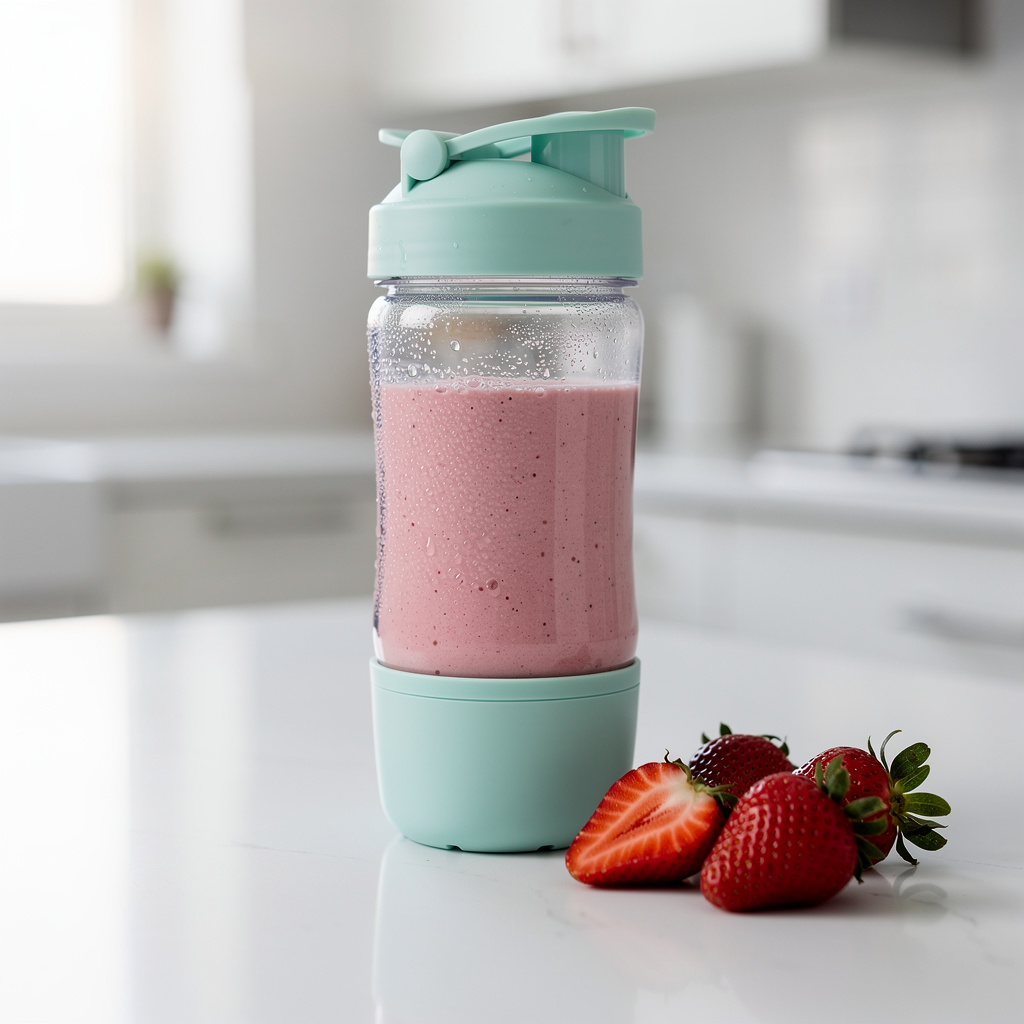
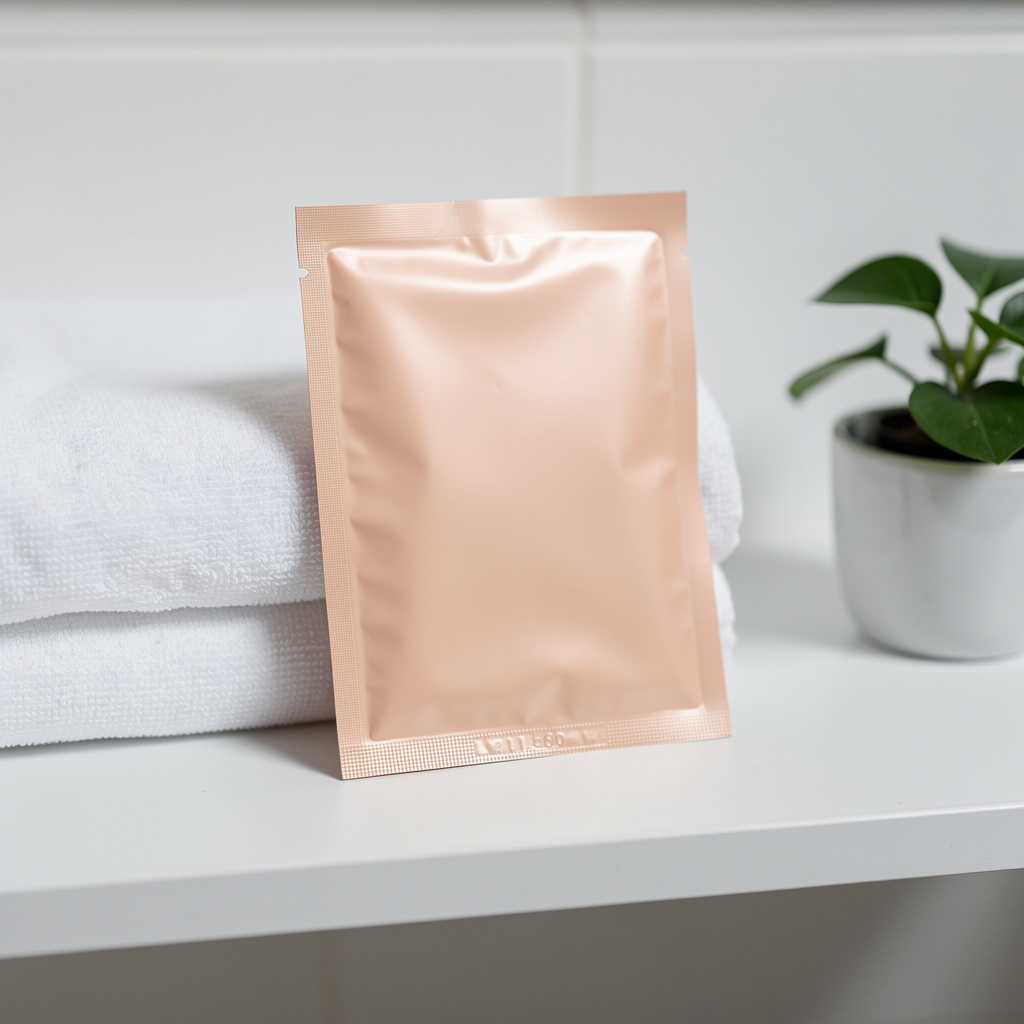
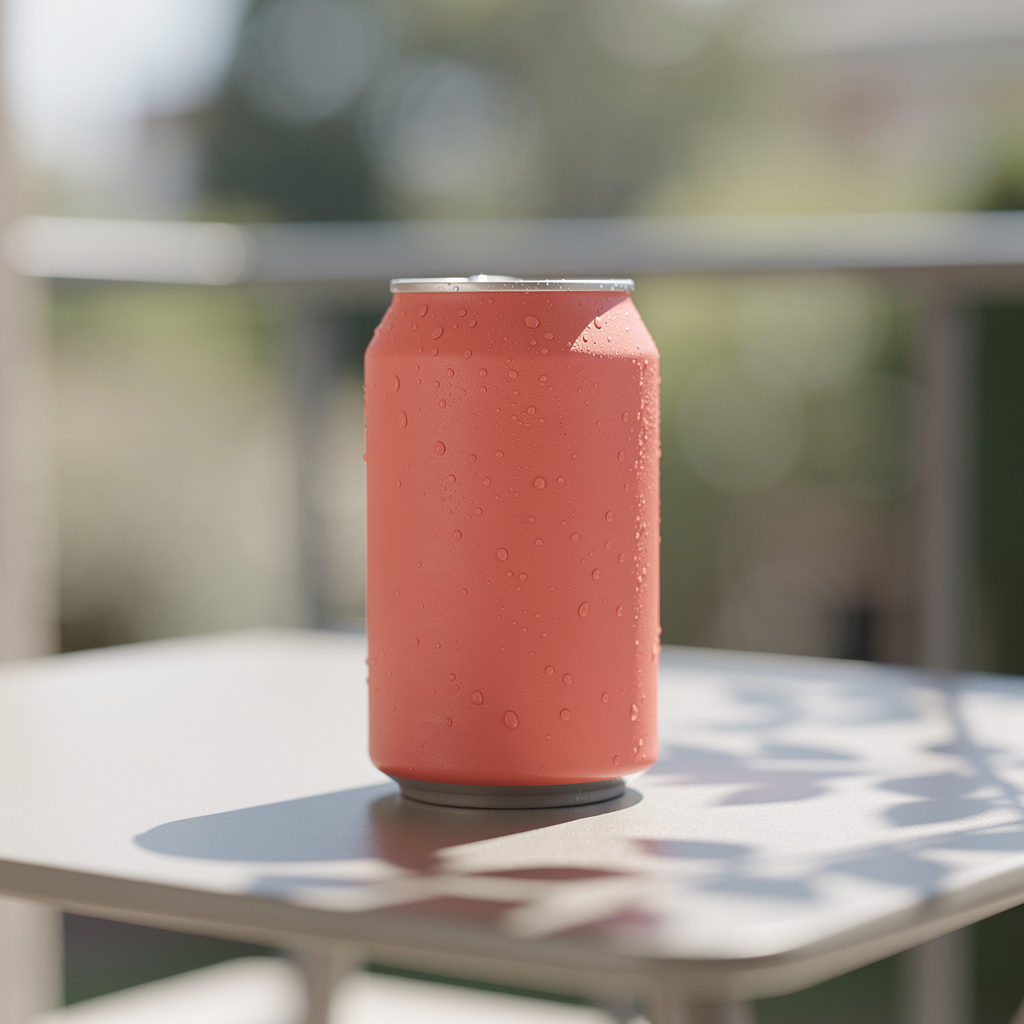
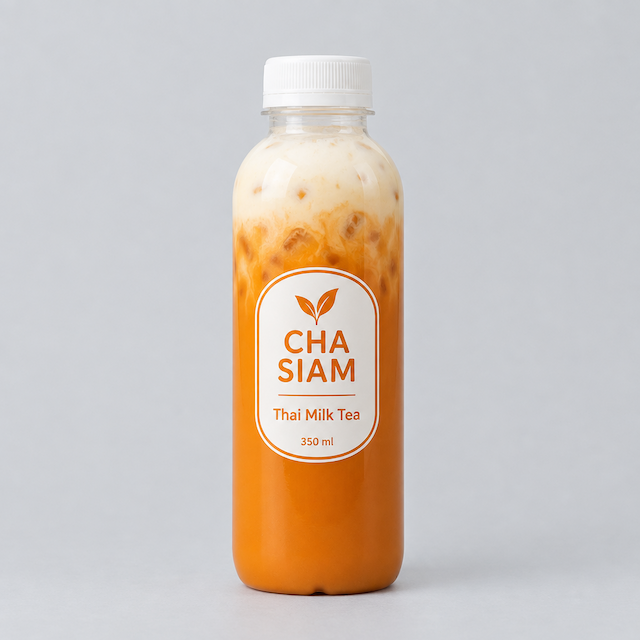
The photo is of the product, not the person. The studio builds the phone shot around it and keeps the label exactly as it is.

Choose who is posting
Model characteristics decide who is holding the phone. Match the people who buy — 105 combinations — or leave Any and the AI chooses.
Gender
- Any
- Female
- Male
- Non-binary
Age range
- Any
- 18–24
- 25–34
- 35–44
- 45–60
- 60+
Ethnicity
- Any
- Asian
- Black
- Hispanic
- Middle Eastern
- South Asian
- White
- Mixed
Who is holding your product. This is targeting, not decoration — a viewer believes somebody who could be them. Match your real buyer rather than an ideal one.
Pick the format
The format is the kind of post: talking to camera, an unboxing, a review, a before-and-after. There are 10, each one a format creators really use — and it is the first thing to change when a result looks staged.
- Talking to cameraMost used
- Someone talking to the camera with the product beside their face. The default UGC ad — it carries a message and shows the product at once.
- UnboxingFirst look
- Hands opening the packaging, box still in shot. The easiest one to get right — no face to go wrong, and it sells the arrival.
- Showing how it worksProof
- Close on the hands using it for real. The most persuasive format for anything whose benefit you can see happening.
- Getting readyRoutine
- Mid-routine at the mirror, product among the others. Positions it as part of a habit rather than a purchase.
- Problem and fixHook
- The moment of frustration with the product held up as the answer. Made to be the first frame that stops the scroll.
- POVImmersive
- Shot as if through the viewer's own eyes, their hand holding it. Puts the buyer in the moment of using it.
- HaulDiscovery
- The product among a pile of things just bought. Works when it is an impulse buy rather than a decision.
- Honest reviewTrust
- Settled somewhere, talking it through, camera propped and slightly too low. Reads as considered rather than sponsored.
- Before and afterResult
- The "after" half, shot in the same place and light as the before. Only worth using where the change is genuinely visible.
- Outfit checkFashion
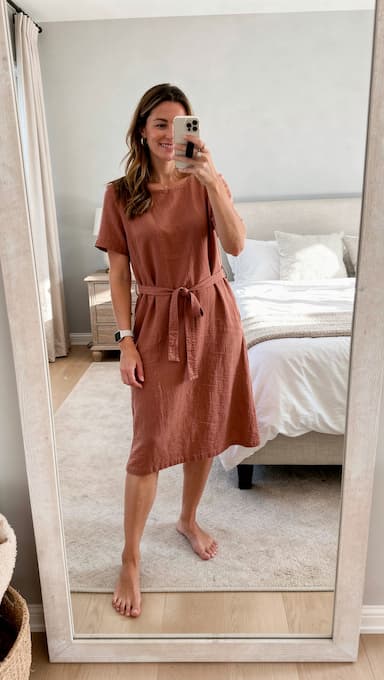
- A full-length look at the fit. Pair it with "into a mirror" for the classic mirror selfie, or "propped up" for a plain full-length shot.
Choose where they are
The place is half of what makes a post look real. Choose from 9 everyday places, or describe one in a sentence. Whatever you choose is where the photo is.
- Auto
- Lets the AI pick the place. A good first try — see where it puts them, then choose somewhere specific.
- Bedroom
- An unmade bed and clothes on the chair. The most-used UGC setting there is — it reads as somebody's actual room, which is the whole point.
- Bathroom mirror
- Filmed into the mirror with the phone showing. Instantly reads as real — the natural home for skincare, haircare and makeup.
- Kitchen
- A kitchen with the washing up still there. Best for food, drink, supplements and anything taken daily.
- In the car
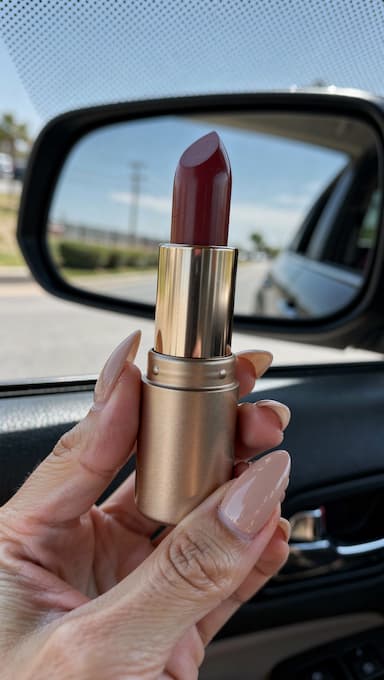
- Parked in the car, seatbelt on. One of the highest-performing UGC settings — it feels like someone filming on the way home, not making an ad.
- At a desk
- A working desk with cables and a laptop. Suits tech, stationery, coffee and anything bought for work.
- Outside
- Walking and talking outdoors. Energetic and unplanned — good for fashion, bags, drinks and anything carried around.
- Gym
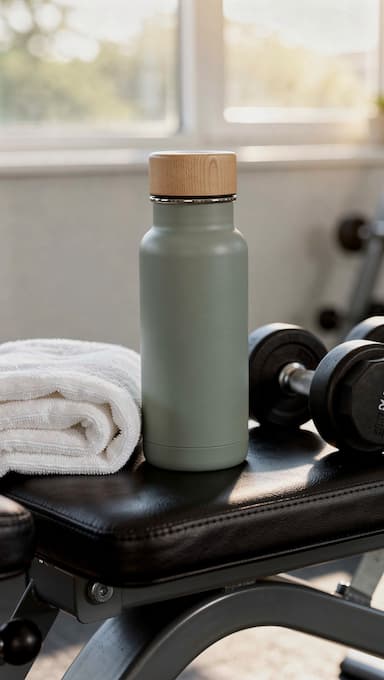
- Just finished a set, still a bit sweaty. Strong for bottles, sportswear, wearables and supplements.
- In the shop
- In the aisle, product just off the shelf. Reads as a genuine find — useful for anything sold in shops as well as online.
How the phone is held, and the shape
The camera angle is how the phone is held: front camera at arm's length, propped up, looking down at the hands — 7 ways in all. If a face ever comes out wrong, Close on the hands leaves it out.
- Auto
- Let the AI decide how the phone is held.
- Arm's length
- Front camera at arm's length. The classic selfie framing — face and product both close.
- Handheld
- Rear camera, one hand, slightly unsteady. Better quality than the front camera and still clearly handheld.
- Propped up
- Phone leant against something and left running. The framing is a bit off, which is exactly why it looks real.
- Looking down
- Held above, looking down at the table. No face in frame, so nothing can go wrong with one.
- Close on the hands
- Very close on the hands and the product. Shows texture and detail, hides everything else.
- Into a mirror
- Filmed into a mirror with the phone showing. Pair it with the bathroom or bedroom.
- 9:16 · 9:16
- Fills a phone screen. TikTok, Reels and Shorts — where this format belongs.
- 4:5 · 4:5
- Tall. Takes up the most room in a feed — the usual choice for a paid post.
- 1:1 · 1:1
- Square. Safe everywhere, and the shape marketplaces expect.
Put your offer on it, in any language
Design the ad sets your headline, offer and button on the photo in the style of a post, not a banner. Type them in the language your customers read. It costs 6 credits an image instead of 4.

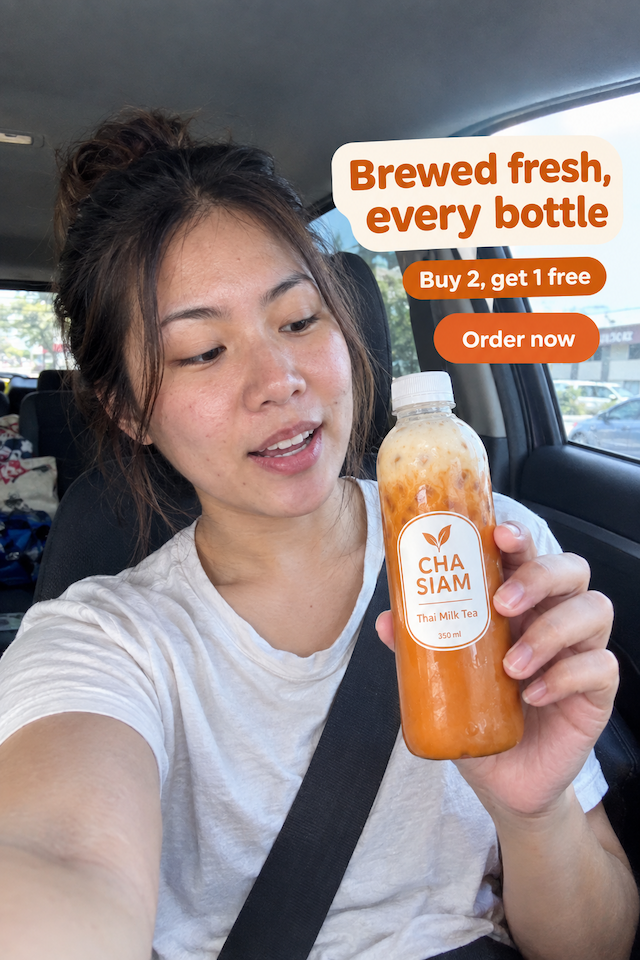 Written in English
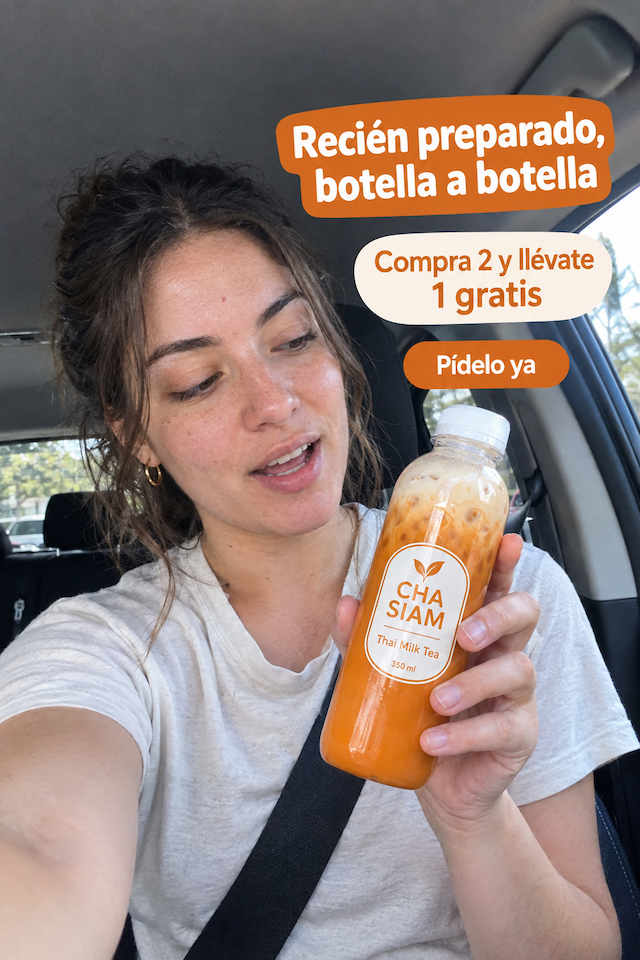 Written in Spanish
Only what you type goes on the ad — the AI never adds prices, discounts or claims of its own. Check the spelling before you publish.
What it makes
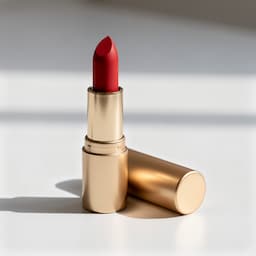
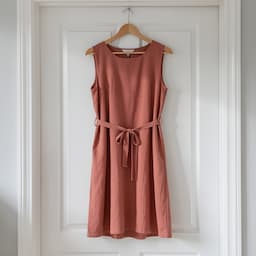
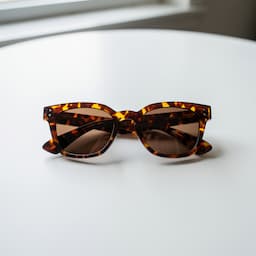
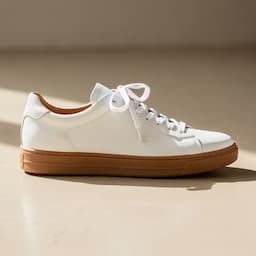
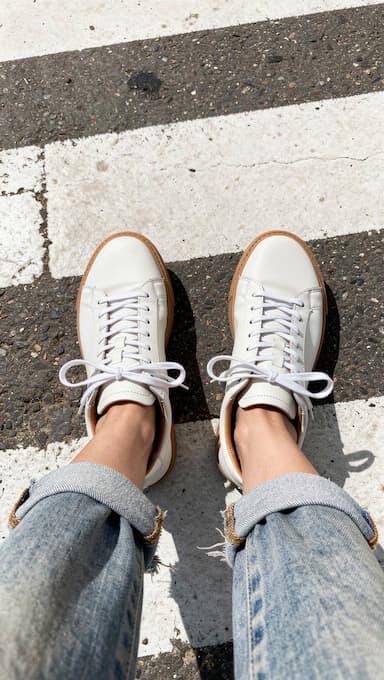
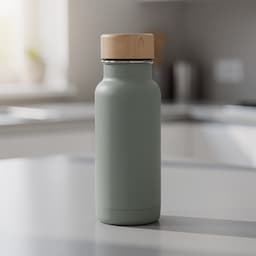
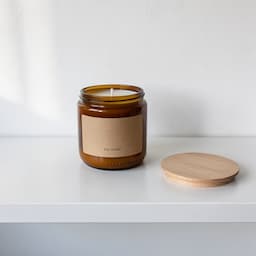
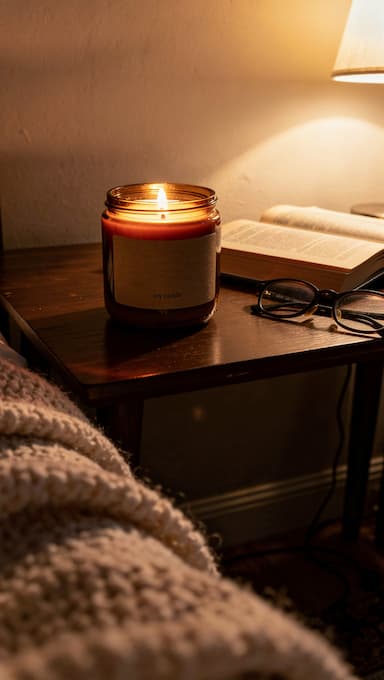
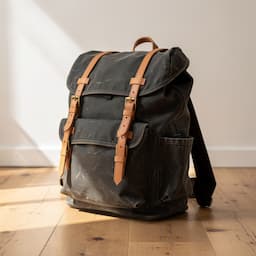
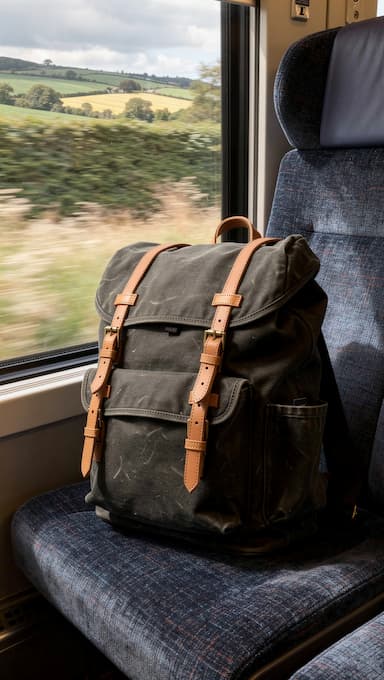
Real UGC-Style Ads renders, each beside the sample product photo it was made from. Bathrooms, cars, night markets and mirror selfies — nothing retouched afterwards.
 Your photo
 Your photo
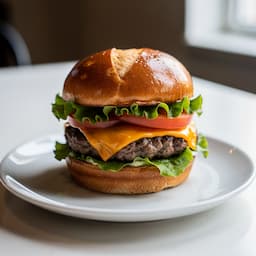 Your photo
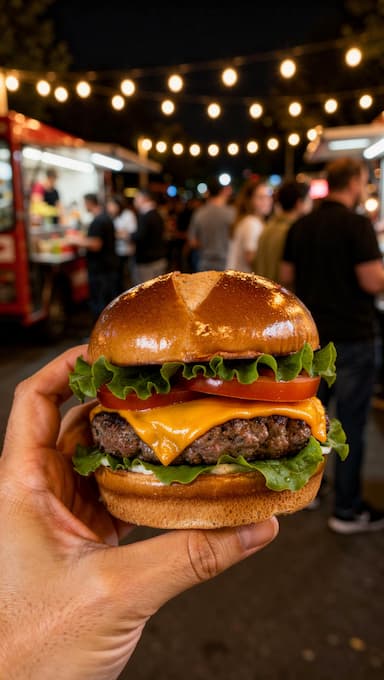
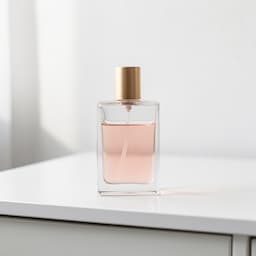 Your photo
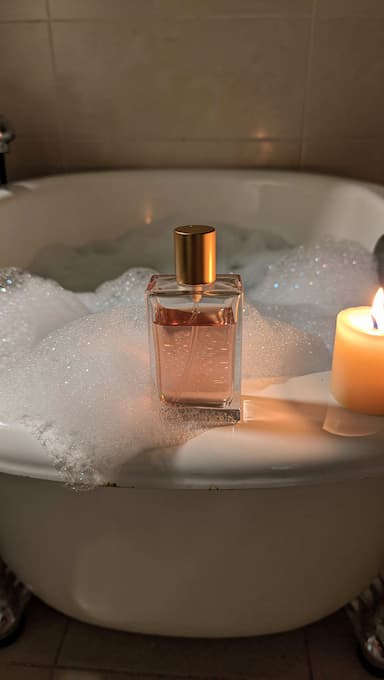
 Your photo

 Your photo

 Your photo
 Your photo
 Your photo
 Your photo
 Your photo

 Your photo

Get a post people believe
A UGC-style ad works when nobody stops to wonder whether it is an ad. What helps:
1Start with a clean product photo
The product alone, sharp, label facing the camera. The phone look is added; the product is kept.
2Match the format to the product
Unboxing for something that arrives, Showing how it works for anything with a visible result, Getting ready for beauty.
3Put it where it is really used
Skincare at the bathroom mirror, a drink in the car, a bottle at the gym. The place explains the product.
4Keep the hook short
The first second decides the scroll. A short headline and one clear offer beat a paragraph.
5Check hands and label
Look at the fingers, the grip and the label on every take. If a face goes wrong, switch to Close on the hands.
6Present it honestly
The person is AI-generated and has not used your product. Run it as an ad, not as a customer testimonial, and follow each platform's rules on AI content and endorsements.
Before you run it as an ad:
What it costs
UGC-Style Ads spends credits from the same balance as every other studio. These are its current prices.
UGC-Style Ads is included from the Starter plan.
| What you make | Credits |
|---|---|
| One run (1 take), free plan | 4 |
| A designed ad, per image | 6 |
A run that fails returns its credits automatically, and a run that delivers fewer images than it charged for refunds the missing ones.
Which plan you need
Every plan below is live, and each line is that plan's monthly credits divided by what one UGC-Style Ads run costs today.
Free
Free
12 credits a month
Not included in this plan
Starter
$12/mo
100 credits a month
About 25 UGC-style photos a month
Pro
$29/mo
500 credits a month
About 125 UGC-style photos a month
Questions people ask
Are these real customers?+
No. Every person is generated for that image and has never used your product. Present it as an ad, not as a review or testimonial — advertising rules and the platforms both expect that.
Which format should I start with?+
Talking to camera if the ad carries a message, Unboxing if the product arrives in good packaging, Showing how it works if the result is visible. Then test two or three against each other.
Will my product stay the same?+
The studio tells the model to reproduce it exactly — shape, colour and label. Hands and small print are where AI slips, so check every take before you publish.
Does the place I choose really decide the photo?+
Yes. The place is sent as the setting the photo must be in, over anything a format suggests — choose In the car and it is the car.
Can the words be in my language?+
Yes. Type the headline, offer and button in any language and they are set in that language — the milk tea ad on this page was made in English and in Spanish.
What does it cost?+
4 credits a run for 1 image, or 6 credits an image with Design the ad. A run that fails is refunded automatically.
When should I use UGC Factory instead?+
When the person needs to move and speak: UGC Factory makes a lip-synced video from a script. UGC-Style Ads makes the still photo — faster, cheaper, and often the thumbnail or first frame of that video.
Keep going
Make your first post-style ad
Upload a product, pick a format and a place, and see it the way your customers would post it.
Start free